Behavioral interviews quietly decide more offers than technical rounds do — candidates routinely lose roles they had already earned because they improvised vague, rambling answers. The fix is simple and well-established: the STAR method, backed by a small bank of pre-written stories. Think of it as a seatbelt for your answers: mildly annoying to put on, deeply appreciated the moment things go sideways.
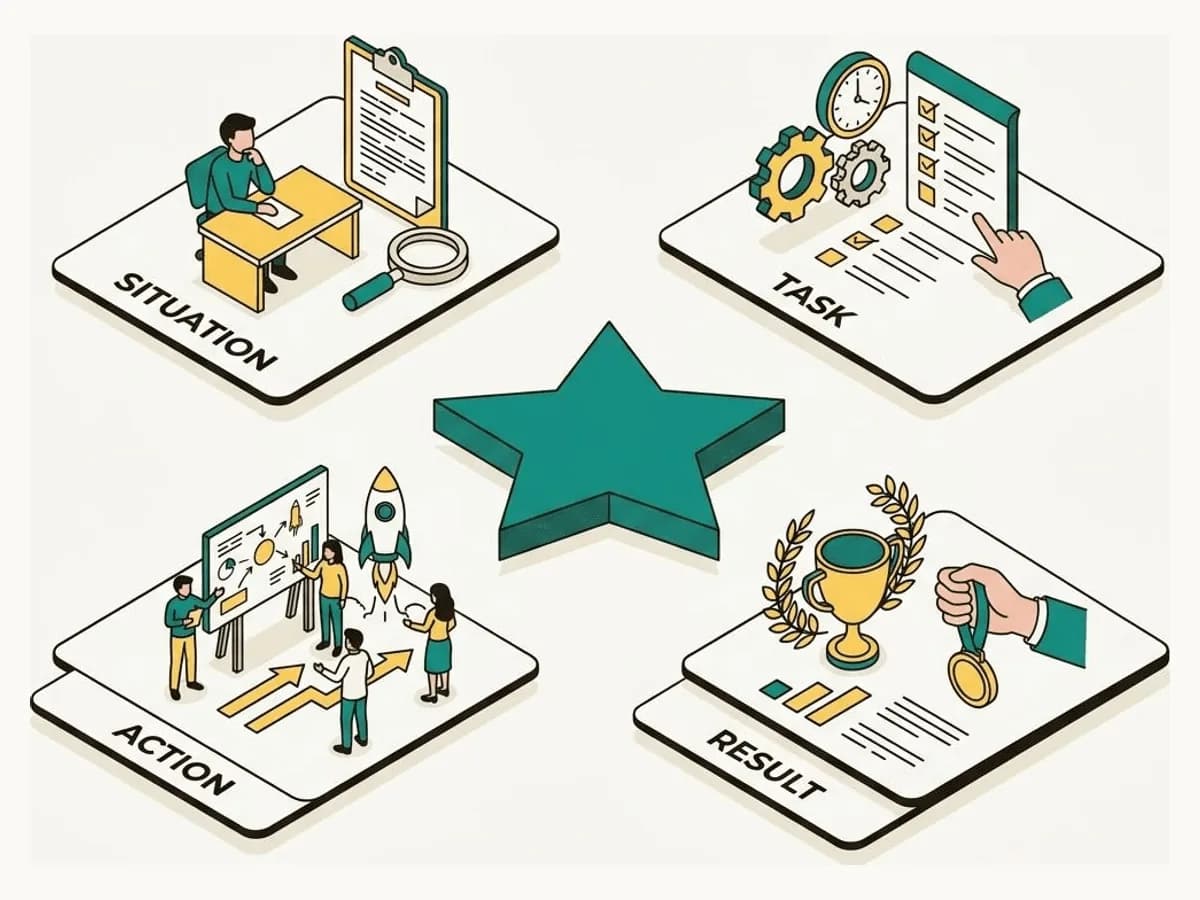
What STAR stands for
- Situation — one or two sentences of context. Where were you, and what was happening?
- Task — what you specifically owned or needed to achieve.
- Action — the concrete steps you took, in first-person verbs. This is the heart of the answer.
- Result — the outcome, quantified or clearly named, plus what you learned.
STAR exists because interviewers grade three things: did you understand the question, did you give a specific example, and did you take ownership. The framework forces all three.
How to balance an answer
Spend roughly 20% on Situation and Task, 60% on Action, and 20% on Result. Aim for 90 seconds to two minutes spoken aloud. Use "I," not "we" — interviewers are listening for what you did, not what your team did. Close with a number whenever you can.
Build a story bank
You don't need a unique answer for every possible question. The most common behavioral prompts cluster into seven themes:
- Leadership
- Conflict
- Failure
- Initiative
- Ambiguity
- Customer focus
- Growth / feedback
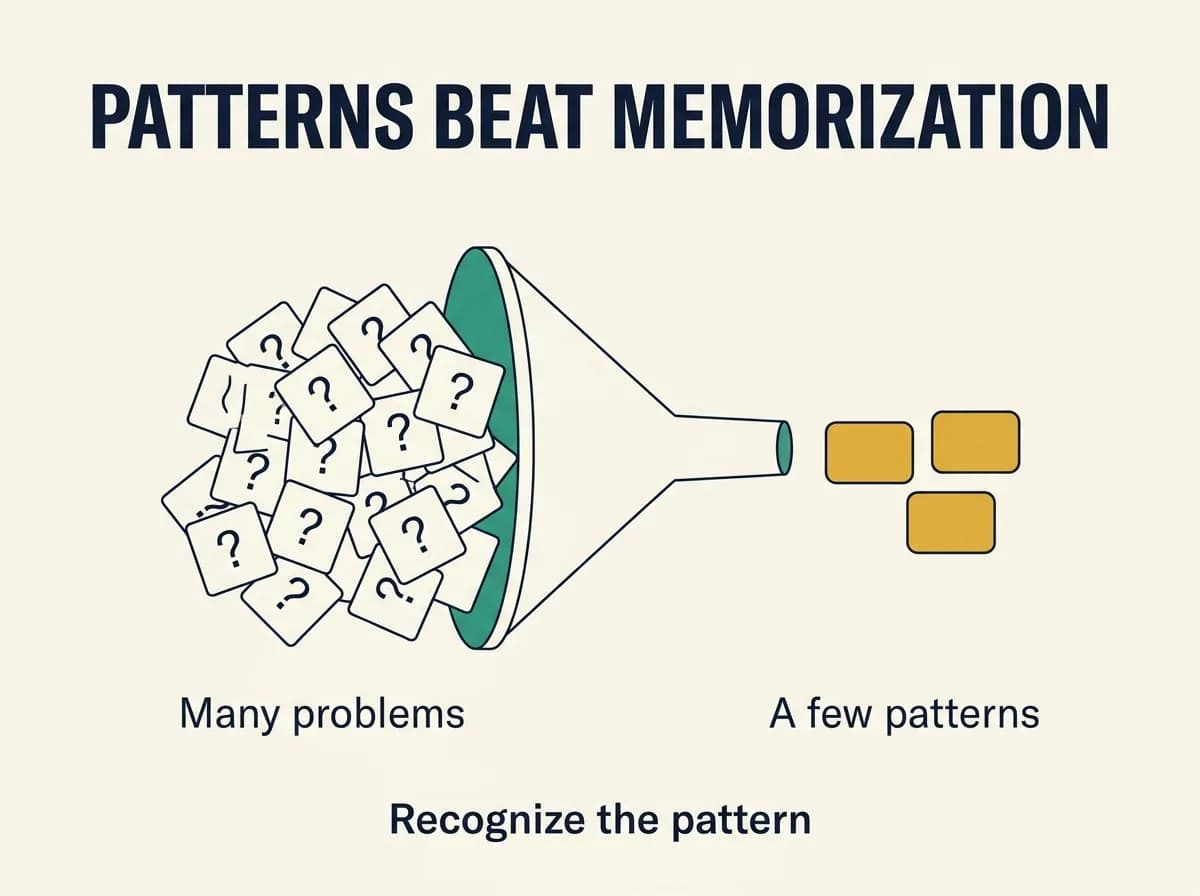
Prepare 6–8 versatile stories from your real experience that map to these themes. Most questions are just different doors into the same stories. This is the single highest-leverage interview prep available.
A worked example
Question: "Tell me about a time you handled conflict on a team."
Situation: On a product launch, our designer and lead engineer disagreed on the checkout flow, and the deadline was a week out. Task: As PM, I owned getting us to a decision without burning the relationship or the timeline. Action: I set up a 30-minute session, had each present their case against our success metric, and proposed a quick A/B test on a prototype instead of arguing in the abstract. I framed it as a shared experiment, not a winner-takes-all. Result: The test settled it in two days — the simpler flow converted 12% better. We shipped on time, and both felt heard. I now default to data over debate for design disputes.
Notice the structure: brief context, clear ownership, specific actions in first person, a measurable result, and a takeaway.
Common mistakes
- Staying at the team level — "we" hides your contribution. Interviewers explicitly listen for "I" vs "we."
- No result — if you can't say how it turned out, it reads as a story you weren't central to.
- Memorised scripts — a rigid script sounds rehearsed. Use the STAR skeleton with genuine specifics so it sounds authentic.
- Rambling Situation — don't spend half the answer setting the scene. Get to your actions.
Practice out loud, on a timer
Reading your stories isn't the same as saying them. Rehearse each one aloud on a 2-minute timer until the structure is automatic and the specifics are natural. Once the seven themes are covered, most behavioral rounds stop being a coin flip.
Next, drill the exact prompts in our 15 common behavioral interview questions, and see how the behavioral round fits the full loop in how to prepare for a technical interview.
Frequently asked questions
- What is the STAR method?
- STAR is a framework for answering behavioral interview questions: Situation (context), Task (what you owned), Action (what you did), and Result (the outcome). Spend about 60% of your answer on the Action and close with a measurable result.
- How many STAR stories should I prepare?
- Prepare 6–8 versatile stories from real experience that cover leadership, conflict, failure, initiative, ambiguity, customer focus, and growth. Most behavioral questions are different ways into the same stories.