A technical interview is rarely one thing. By the time you reach an on-site or final loop, you're being tested on coding, problem communication, sometimes system design, and always behavioral fit. Preparing for only the coding part is the most common way strong engineers still get passed over. Studying only algorithms for a full loop is like training for a triathlon by getting really, really good at the bike. Here's how to cover the whole thing.
Start by mapping the process
Before you study anything, find out the format. Most companies publish or will tell you the stages: a phone screen, one or more coding rounds, possibly a system design round for mid and senior roles, and a behavioral or hiring-manager conversation. Preparing blind wastes time; preparing for the actual loop is half the battle.
Coding rounds
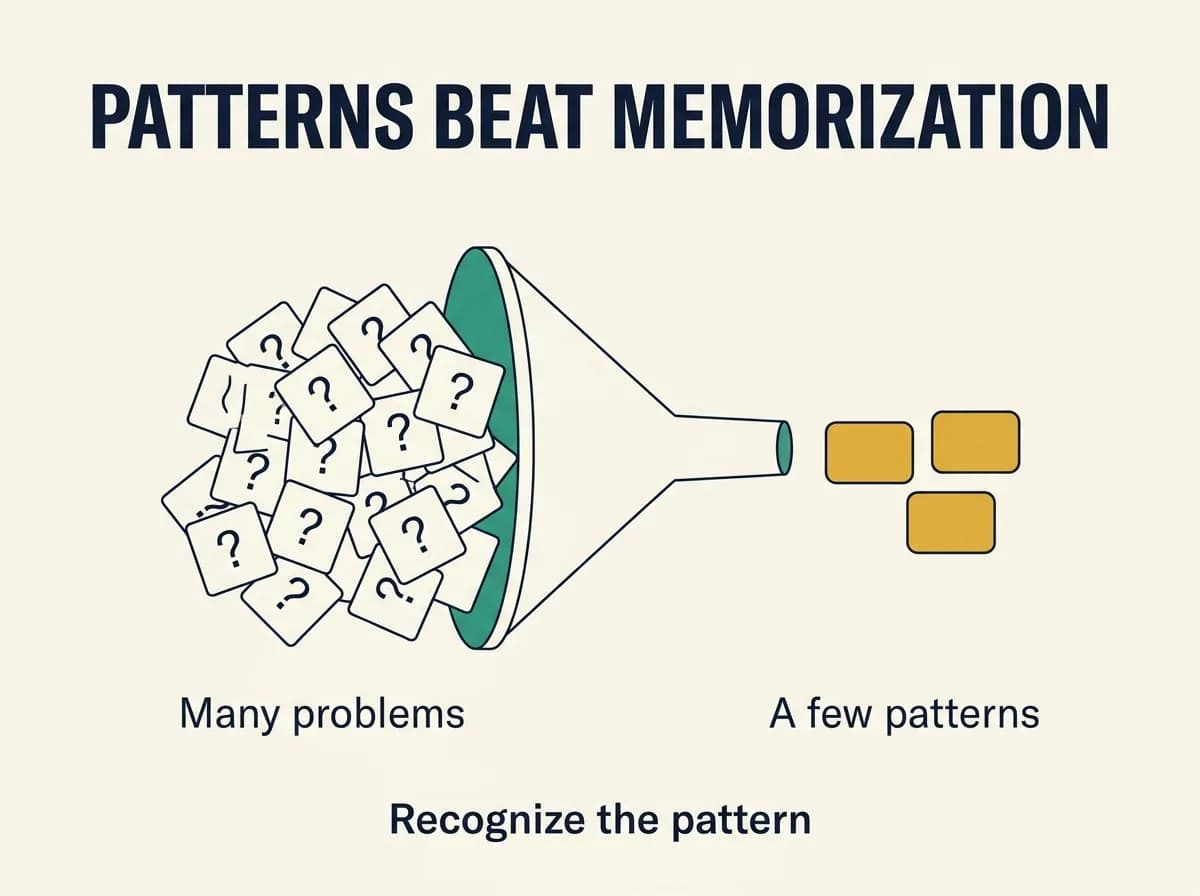
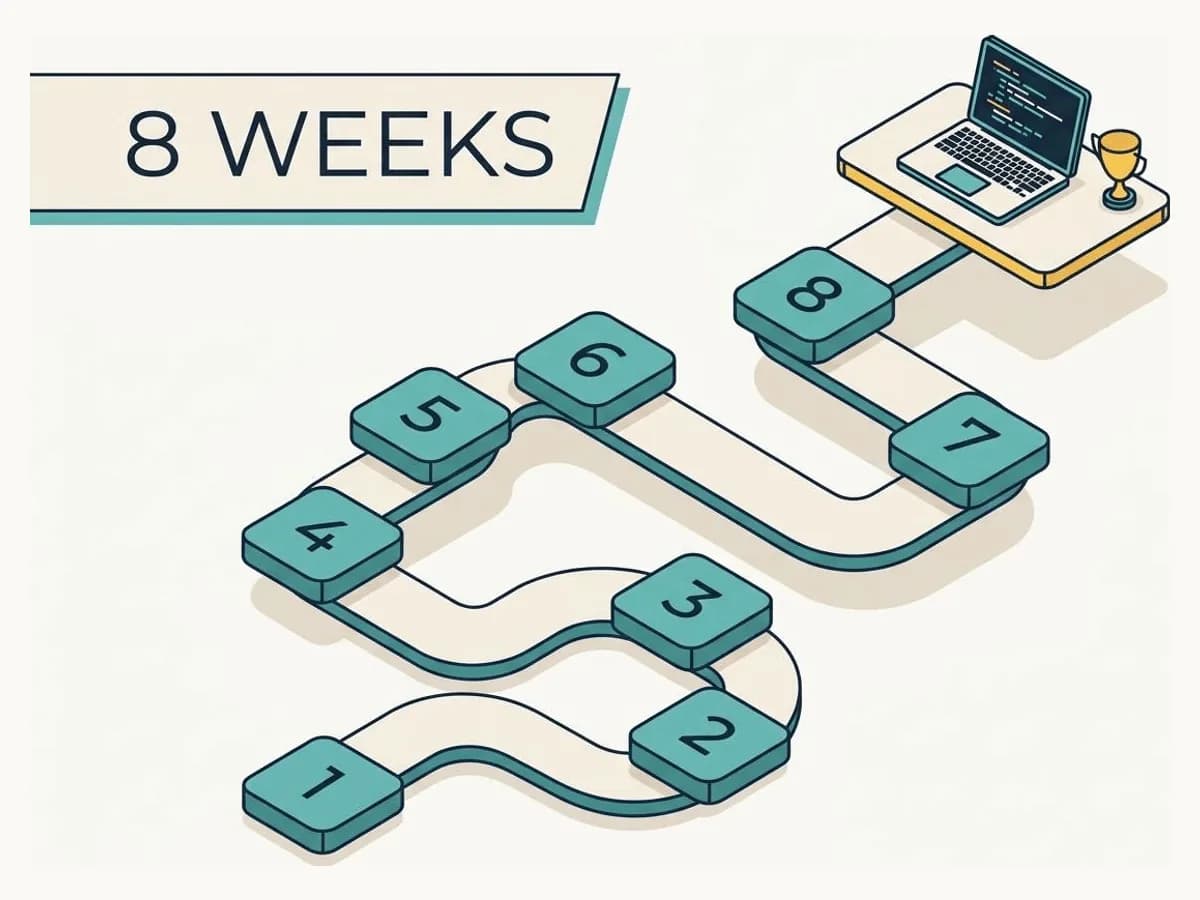
Focus on patterns, not problem counts — arrays, hash maps, two pointers, trees, graphs, and dynamic programming cover the vast majority of questions. Our 8-week coding interview plan breaks this down week by week. Practise thinking aloud, stating your approach before coding, and testing against edge cases. Correct-but-silent loses to slightly-slower-but-clear surprisingly often.
System design (mid and senior)
You don't need to have built a global system; you need a structure. Practise the same skeleton every time: clarify requirements and scale, sketch the high-level components, go deep on one or two (data model, API, storage), then discuss trade-offs and bottlenecks. Interviewers grade your reasoning and communication, not a single correct architecture.
Behavioral round
This decides more offers than people expect. Prepare 6–8 STAR stories that cover the common behavioral questions — leadership, conflict, failure, and ambiguity — and rehearse them aloud. Have specific reasons for wanting this role and company, and bring sharp questions of your own; generic enthusiasm is obvious.
The week before
- Re-solve, don't binge. Revisit problems you previously missed instead of starting new ones.
- Do two or three full mock interviews, timed and out loud.
- Prepare your questions for the interviewer — three to five thoughtful ones.
- Check the logistics — your setup, editor, camera, and a quiet space for remote loops.
The day of
Sleep matters more than one extra problem. Re-read the job description, glance at your story bank, and arrive a few minutes early. During the interview, clarify before you code, narrate your thinking, and treat the interviewer as a collaborator, not an examiner.
Land the interview first
All of this assumes you're getting the interviews. If your resume isn't clearing the ATS and the recruiter screen, the prep never gets used. Talorr scores your resume against each job, surfaces the missing keywords, and tailors it to the role — and its Interview Prep then gets you ready for the loop with real coding problems and AI mock interviews. Land the interview, then walk in ready.
Frequently asked questions
- How do I prepare for a technical interview in a week?
- Map the interview format first, then prioritise: re-solve problems you previously missed rather than starting new ones, do two or three timed mock interviews out loud, refresh your STAR stories, and prepare questions for the interviewer. Don't cram new topics the night before.
- What rounds are in a technical interview?
- Most technical interviews include a phone screen, one or more coding rounds, often a system design round for mid and senior roles, and a behavioral or hiring-manager conversation. Confirm the exact format with your recruiter so you prepare for the right rounds.